


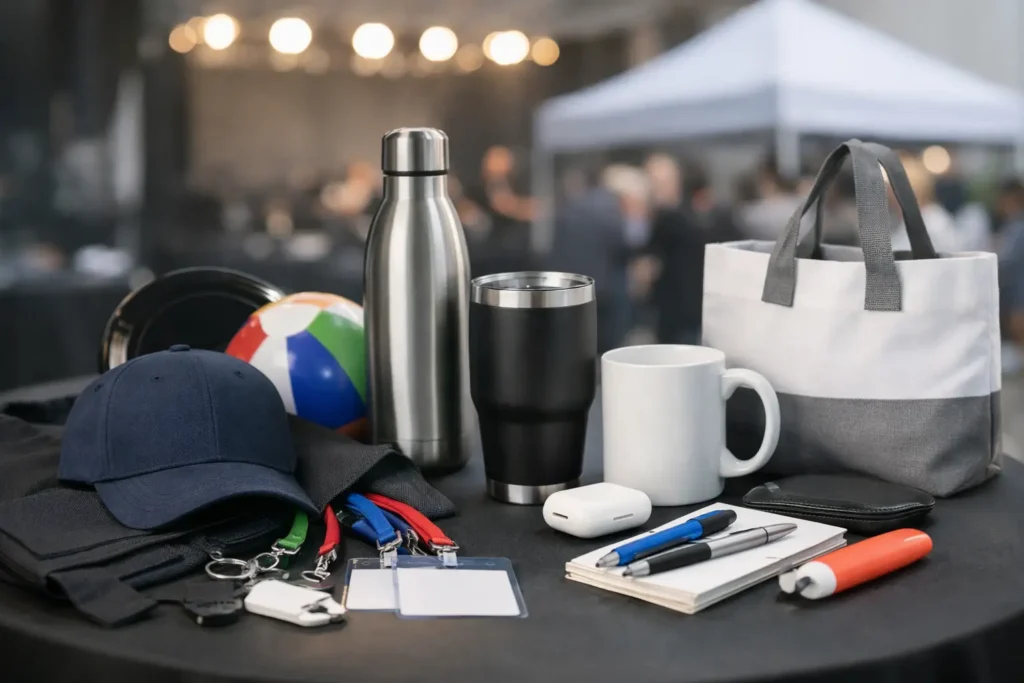
Best Promotional Products for Events
A table full of random freebies is easy to ignore. A well-chosen giveaway, on the other hand, keeps your brand in someone’s hand, bag, office, or car long after the event ends. That is why promotional products for events work best when they are picked with the same care as your booth graphics, printed handouts, and follow-up plan.
For businesses, nonprofits, schools, and event marketers, the real question is not whether to bring branded items. It is which products will match the audience, support the event goal, and stay within budget. The right choice can help you start conversations, increase booth traffic, and leave people with something useful instead of something forgettable.
How to Choose Promotional Products for Events
The best promotional product is rarely the cheapest item in the catalog. It is the one that fits the moment. If you are sponsoring a community festival, a tote bag or water bottle may get used throughout the day. If you are exhibiting at a trade show, a practical desk item or notebook may have a longer life once attendees get back to work.
Start with the purpose of the event. Some giveaways are meant to attract attention from a distance. Others are better for rewarding people who stop, scan a code, book a demo, or sign up for a mailing list. There is a difference between a traffic-builder and a follow-up tool, and your product choice should reflect that.
Audience matters just as much. A startup founder at a business expo is looking at your brand differently than a family at a school fundraiser or a fan at a street fair. The more useful and relevant the item feels, the more likely it is to be kept. That sounds simple, but it is where many event orders go off track. Businesses often buy what is inexpensive to distribute, not what is valuable to receive.
Timing also changes the decision. Outdoor summer events call for products people can use right away, like sunglasses, hats, fans, or drinkware. Indoor conferences often favor notebooks, pens, tech accessories, badge holders, or tote bags. If an item solves a small problem in real time, it earns immediate attention.
Promotional Products for Events That Usually Perform Well
Some categories continue to work because they balance cost, visibility, and practicality. Tote bags remain strong because they turn attendees into walking brand exposure across the event floor. They also have enough surface area to show a logo clearly without feeling crowded.
Drinkware is another consistent performer. Reusable water bottles, tumblers, and coffee mugs appeal to a wide range of audiences and can support an eco-conscious message when that aligns with your brand. The trade-off is price. Better drinkware often costs more, so it may make sense as a premium giveaway rather than a mass handout.
Apparel can be excellent for brand reach, but it depends on the item. T-shirts are popular, though sizing complicates distribution and cost. Hats and branded outerwear can feel more universal, especially for staff or VIP attendees. For casual public events, apparel works best when the design is something people would actually want to wear, not just a logo placed on fabric.
Office and desk items still have a place, especially at business-focused events. Pens, sticky notes, notebooks, and folders are familiar for a reason. They are practical, relatively affordable, and easy to distribute. The downside is competition. Since many exhibitors bring them, design quality and print execution make a big difference.
Then there are smaller lifestyle items such as keychains, phone grips, lip balm, hand sanitizer, stickers, and magnets. These can be effective when budget is tight or when you need a secondary giveaway for large crowds. They are not always memorable on their own, but they work well when paired with strong visuals and a clear message.
Match the Product to the Event Goal
If your main goal is booth traffic, choose something visible and easy to hand out quickly. Bags, stickers, and low-cost accessories work well here because attendees can grab them without a long conversation. You want a product that helps break the ice.
If the goal is qualified leads, a tiered giveaway strategy often works better. Offer a simple item to all visitors, then reserve a higher-value piece for people who take a meaningful action, such as scheduling a consultation or completing a form. That approach protects your budget and gives your team a more useful way to prioritize interactions.
If brand perception matters most, quality should lead the decision. A cleanly printed notebook, a durable tumbler, or well-made branded apparel says more about your business than a box of low-cost items that fall apart after one use. People make quick judgments based on the details, especially at professional events.
For community events or nonprofit outreach, usefulness and approachability usually matter more than premium pricing. Family-friendly products, school-related items, and practical everyday goods tend to perform well because they feel generous without being overproduced.
Design Matters More Than Most Teams Expect
A promotional item is still a branded communication piece. If the logo is too small, the artwork is cluttered, or the colors print poorly, even a good product loses value. This is where businesses benefit from working with a team that understands both production and branding.
Not every item needs a large logo across the front. In fact, some of the most effective products use restrained branding. A clean mark, a short message, or a simple one-color imprint can look more polished than trying to fit every brand element into a small print area.
Color choice matters too. Bright colors can help products stand out at active events, while more neutral tones may feel more premium at corporate functions. It depends on your audience and brand style. What works for a music festival may not be the right move for a law firm networking event.
Packaging and presentation can also elevate the experience. A giveaway handed out with a printed insert, branded folder, or coordinated table display feels more intentional. That kind of consistency helps attendees remember who you are and why they talked to you in the first place.
Budget Without Going Cheap
Budget pressure is real, especially when event costs already include booth fees, signage, staffing, and printed materials. Still, cutting costs too aggressively on giveaways can backfire. If the item looks disposable, it probably will be.
A better approach is to decide where volume matters and where quality matters. For high-traffic events, it may make sense to order a mix of items rather than put the entire budget into one giveaway. Use a lower-cost product for general distribution and a more polished item for deeper engagement. That gives you flexibility without overspending.
Lead times should be part of the budget conversation too. Rush production can raise costs and limit your options. Planning early usually gives you more control over product selection, imprint methods, and price. It also reduces the chance of settling for a second-choice item because the first one is out of stock.
Local support can make this process easier. When you are coordinating event materials, signage, print pieces, and promotional products at the same time, it helps to work with one responsive team instead of juggling multiple vendors. That is often where a local partner like Ego id Media adds value, especially when deadlines are tight and brand consistency matters.
Common Mistakes to Avoid
One of the biggest mistakes is ordering products based only on trend. A trendy item may look exciting in a catalog, but if it does not fit your audience or event type, it will not perform. Another common issue is underordering. Running out too early can mean missed opportunities, while overordering highly event-specific items can leave you with boxes of leftovers that are hard to reuse.
There is also the mistake of treating promotional products as a standalone tactic. They work best when they are part of a larger event system that includes signage, printed collateral, staff talking points, and a clear next step. A giveaway can open the door, but it should connect to a broader message.
Finally, do not ignore logistics. Size, weight, portability, and setup all matter. A product may look great on paper but create problems if it is difficult to transport, store, or hand out during a fast-moving event.
What Makes an Event Giveaway Worth Keeping
The best event products usually share three traits. They are useful, easy to carry, and branded with restraint. They fit naturally into someone’s day instead of asking for attention once and disappearing.
That does not mean every giveaway has to be expensive or elaborate. It just means the item should make sense for the people receiving it. When your promotional products support the event environment, reflect your brand well, and give attendees something they will actually use, they stop feeling like extras and start working like marketing tools.
If you are planning an event, think beyond what you can hand out. Think about what people will keep, notice again later, and connect back to your business. That is where the best promotional choices start paying off.
Leave a reply

Leave a reply